
Last Updated on September 21, 2026 by Sabrina Currie
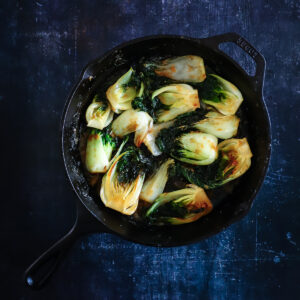
Miso glazed baby bok choy (easy 10-minute side dish) is the one I make on repeat. Silky, umami-packed, and ready in just 10 minutes. No standard stir fry here! Tender baby bok choy gets bathed in a glossy, savory miso glaze until every leaf is coated and glistening. It's fast enough for a weeknight, good enough for company, and endlessly craveable spooned over warm rice or noodles, or served alongside your favorite main course.
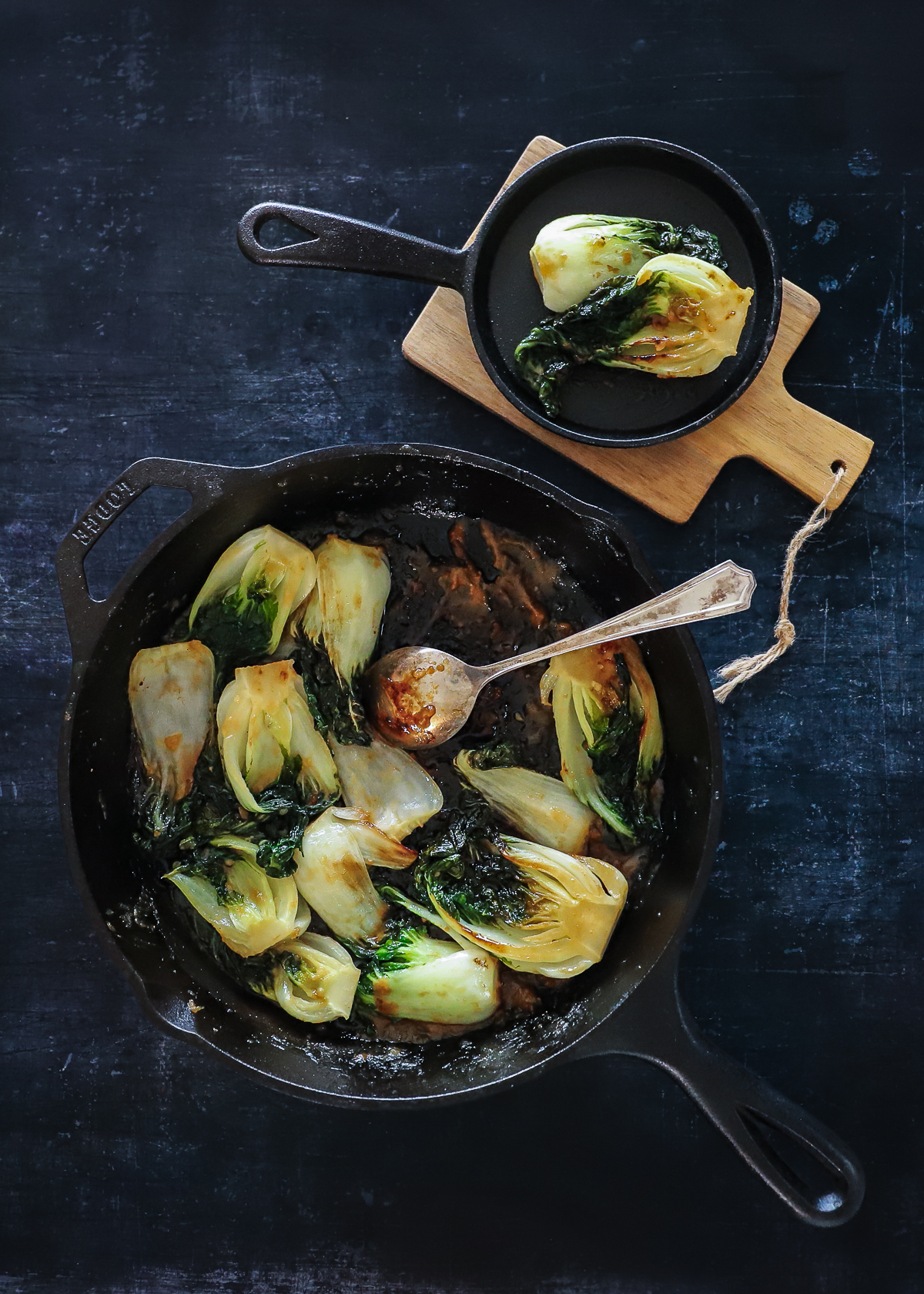
Why I Think You'll Love This Recipe
With over a decade of professional recipe development and formal culinary training, I've learned the best dishes are the ones that turn simple ingredients into something that tastes far more elevated than the effort it took.
This bok choy recipe is a vegetarian spin on my miso glazed cod and bok choy from my cookbook, West Coast Kitchen Garden. I stripped away the fish and let the umami-rich sauce of miso and butter make the greens the star. It's perfect with a side of rice or topping simple ramen, or enjoy it as a side dish and after making it dozens of times, it's become a staple in my own kitchen.
It's proof that a few pantry staples and a little fermented paste can do all the heavy lifting.
Ingredients
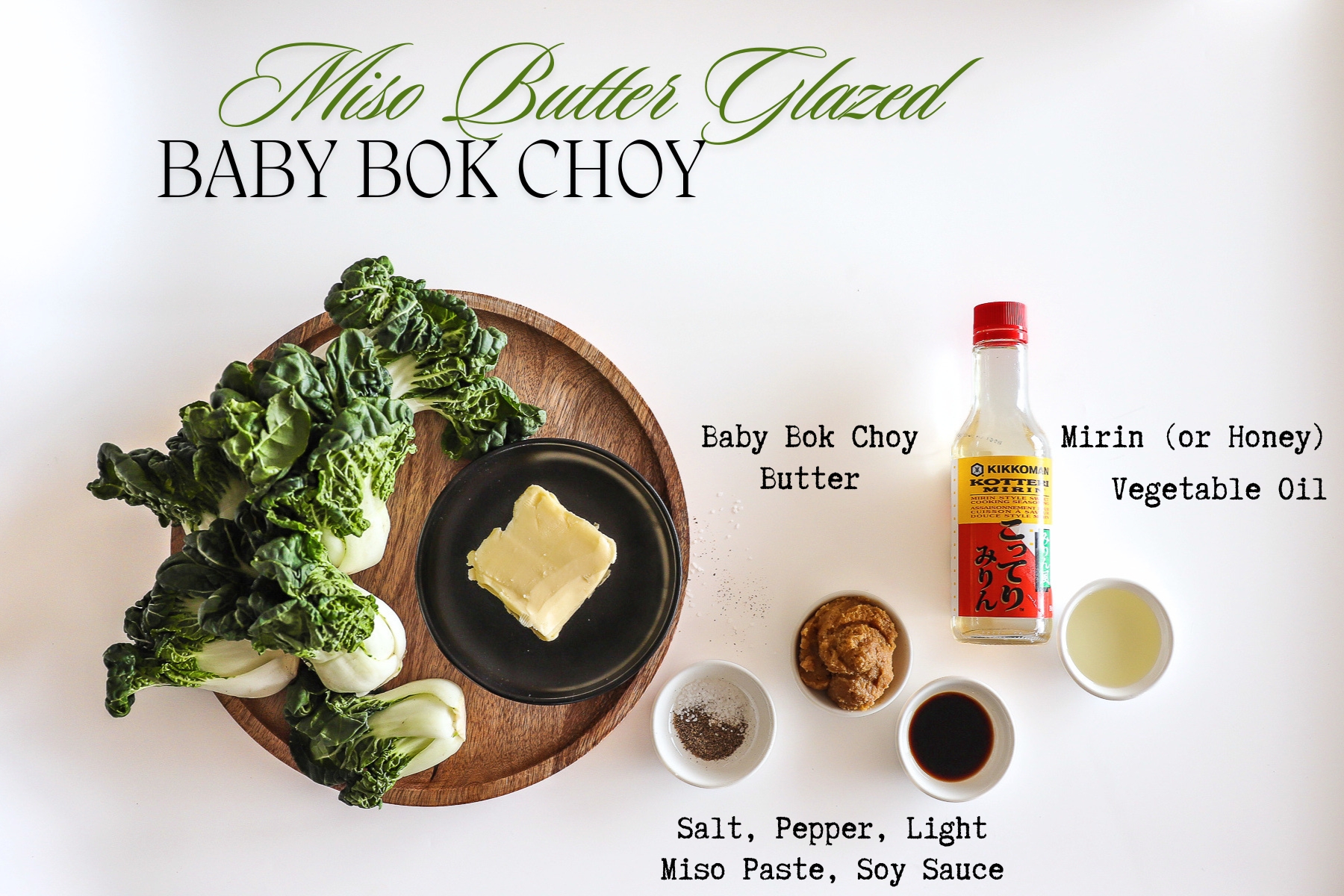
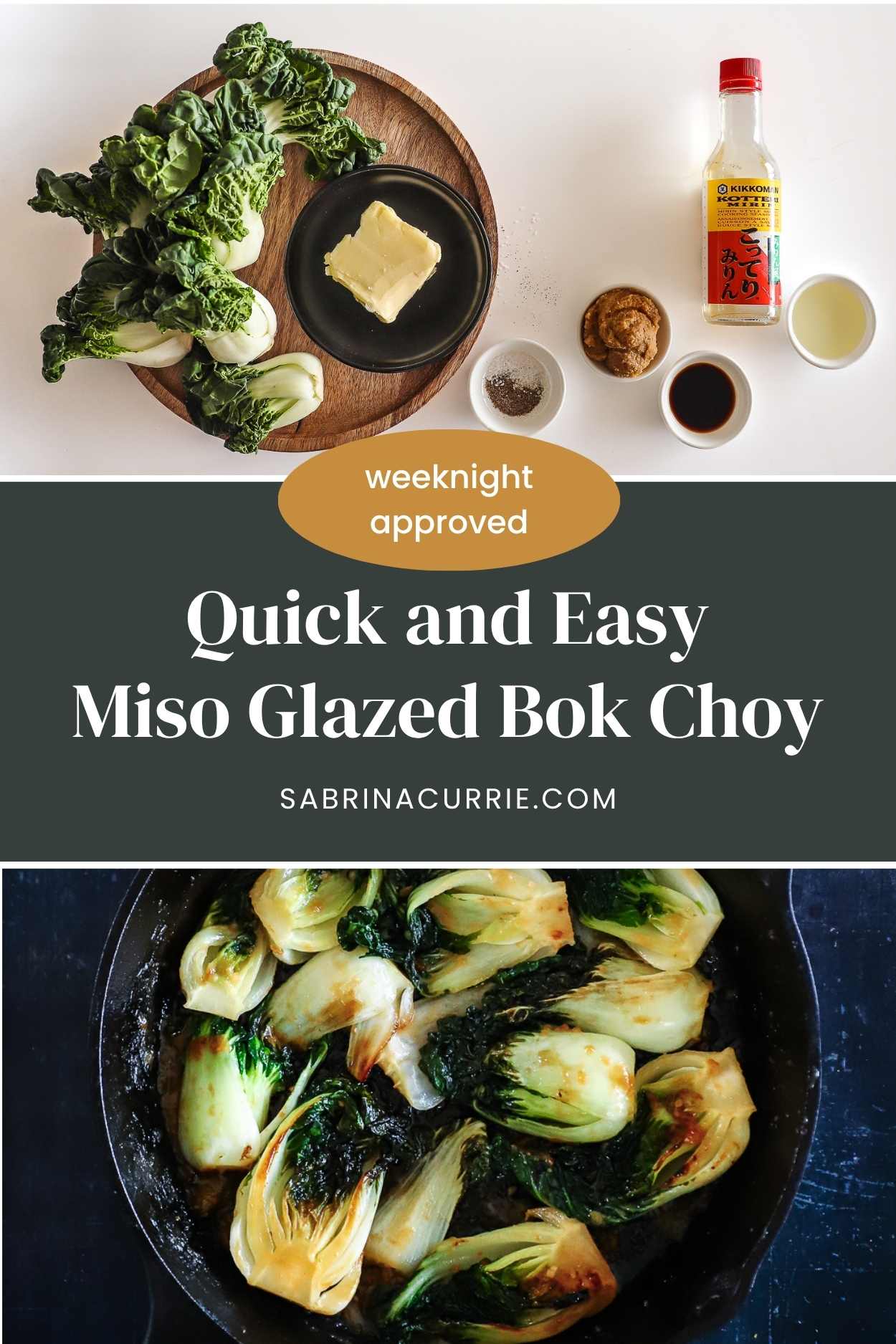
- Baby bok choy - Halved or quartered, the crisp white stalks and tender leaves of this leafy green vegetable soak up and hold the glaze. (Sometimes bok choy is called pak choi or pac choi, it's the same thing!)
- Shiro miso paste - The star of the glaze, it's light, sweet fermented flavor delivers lots of umami flavor without overpowering the dish. (Find it in the refrigerator section of grocery stores or Asian food shops.)
- Mirin - A splash of this sweet Japanese rice wine adds gloss and a subtle tang that balances the miso's saltiness. (Find it in the Asian section of grocery stores.)
- Optional garnishes - Elevate this magical miso veggie dish with a sprinkle of toasted sesame seeds, slivered green onions or shiso leaves.
substitutions + variations
- Gluten-free - Soy rounds out the glaze with extra savory depth. To make this gf, buy gluten-free soy sauce or swap in tamari or coconut aminos in the same amount.
- No mirin? - Swap in an equal amount of maple syrup, honey or brown sugar. A few drops of rice vinegar added to the syrup helps get closer to mirin's signature tang.
- Vegan - Make it vegan with plant-based butter or margarine in place of dairy butter. I think it tastes just as good.
- Other Great Greens - Using full-size or mature bok choy? Slice the stalks crosswise into ½" crescents and coarsely chop the bok choy leaves and cook as directed. Or try lighter napa cabbage coarsely chopped. Or use Shanghai bok choy which looks similar but has pale green stems instead of white.
- Like it hot? - Stir a pinch of red pepper flakes or a drizzle of chili oil into the miso mixture for a spicy kick that plays beautifully against the sweet and savory miso.
- More flavor - Swap out the vegetable oil for sesame oil for even more flavor.
How To Clean And Prep Baby Bok Choy
Slice each head of bok choy in half lengthwise and swish them vigorously in a large bowl of cold water to dislodge any grit trapped near the base of the leaves. Afterward, dry them as much as possible using a salad spinner or let them drip dry for a few minutes on a clean kitchen towel. Drying is important to eliminate excess water that can cause splattering in the hot pan and taking longer to thicken and glaze the greens.
Step By step Instructions
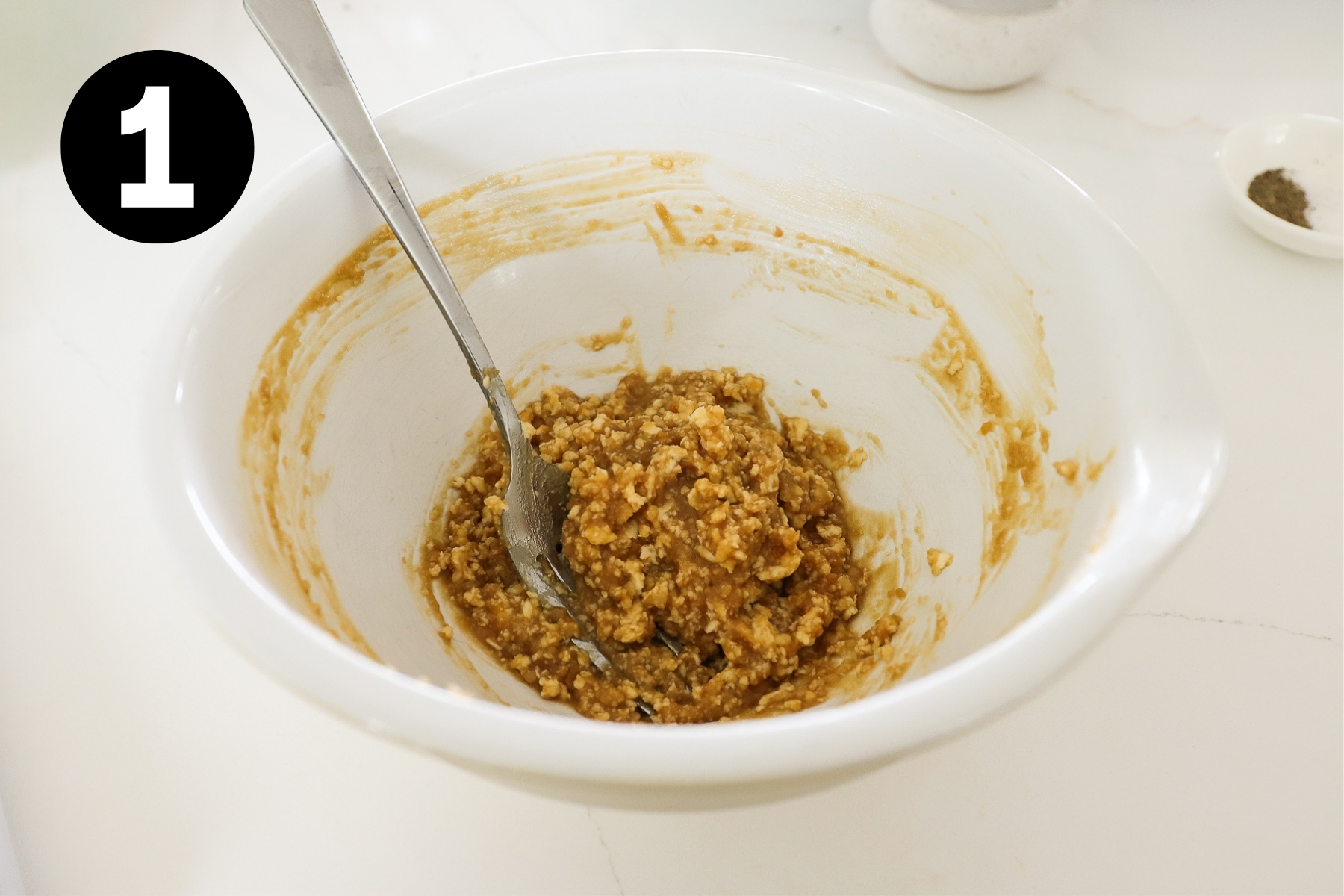
Step 1. In a small bowl, mix together the room temperature butter, miso, mirin and soy sauce. Season with black pepper to taste, or add in optional chili flakes if using.
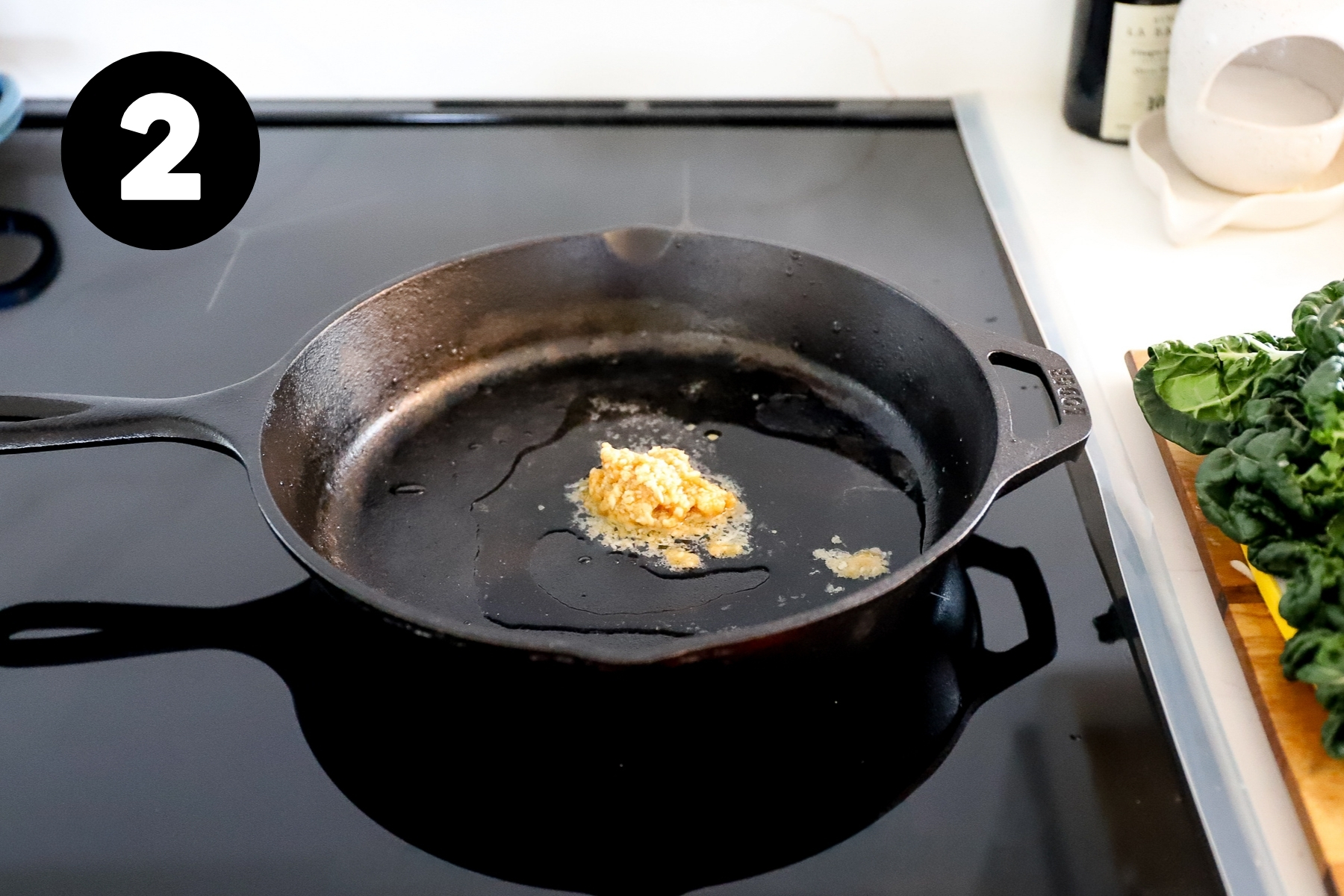
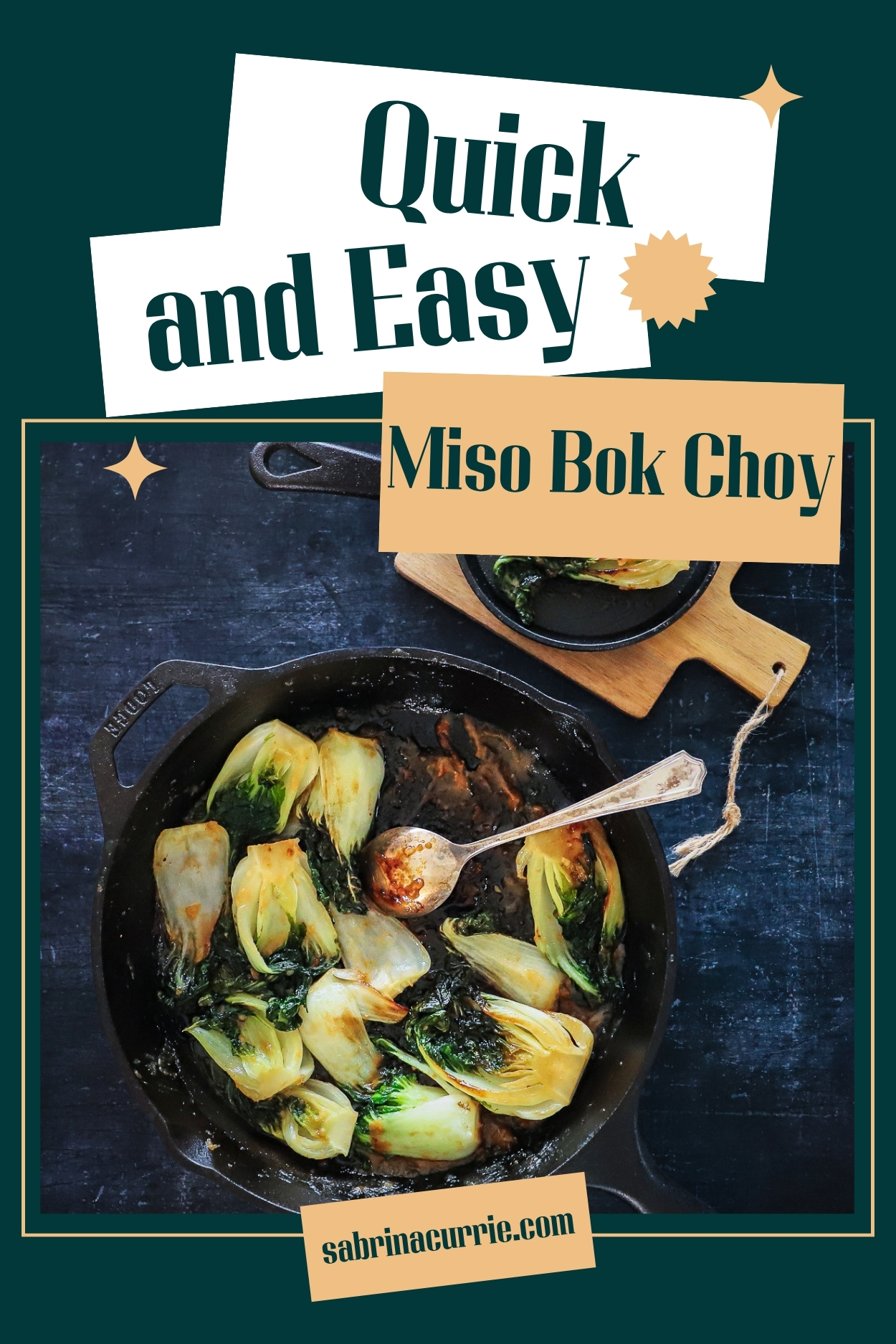
Step 2. Heat a large cast iron (or heavy-bottomed non-stick pan) over medium heat. Add the vegetable oil, spread it around and then add ¼ of the miso butter mixture and stir it around.
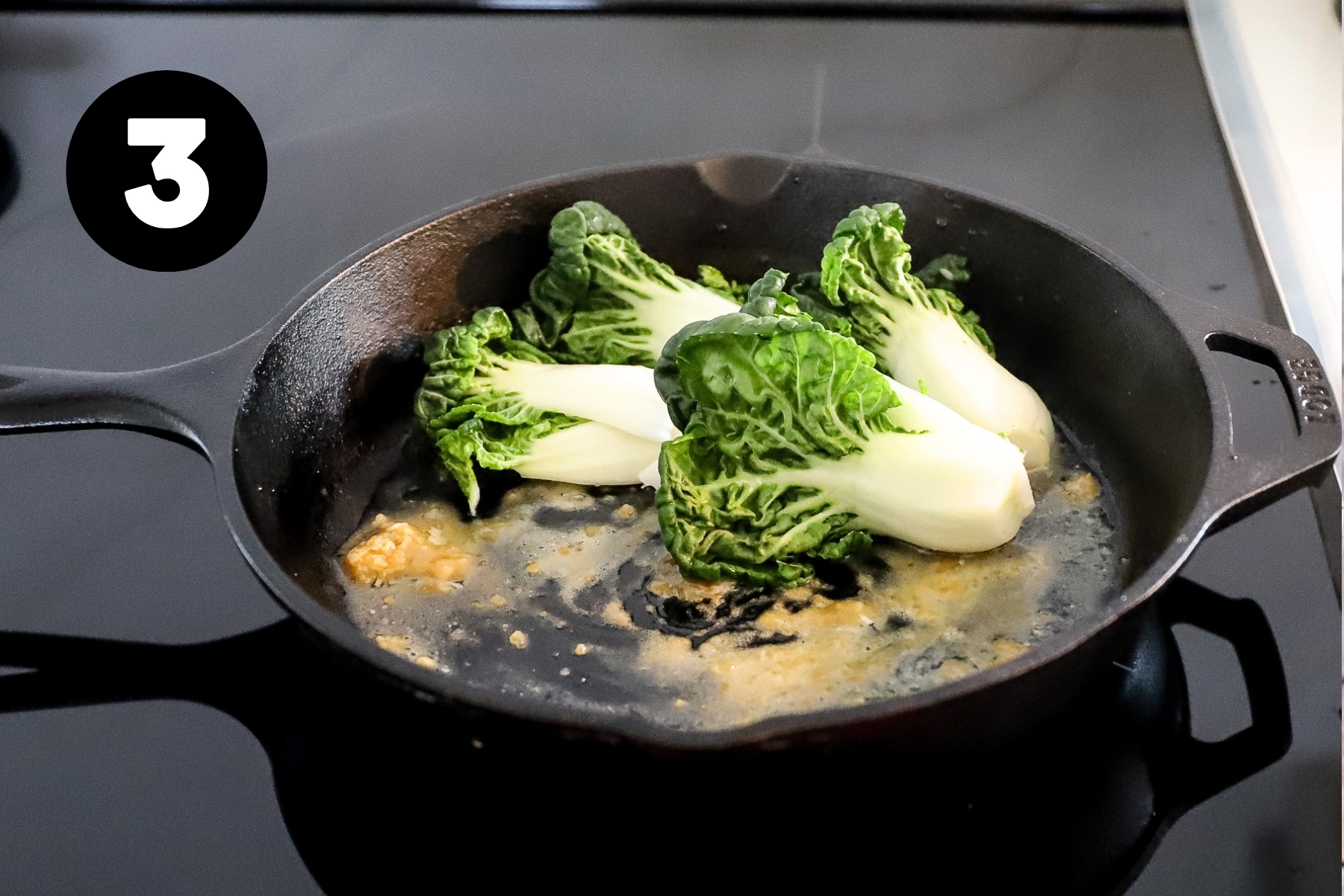
Step 3. Place all the whole or halved baby bok choy into the pan in a single layer.
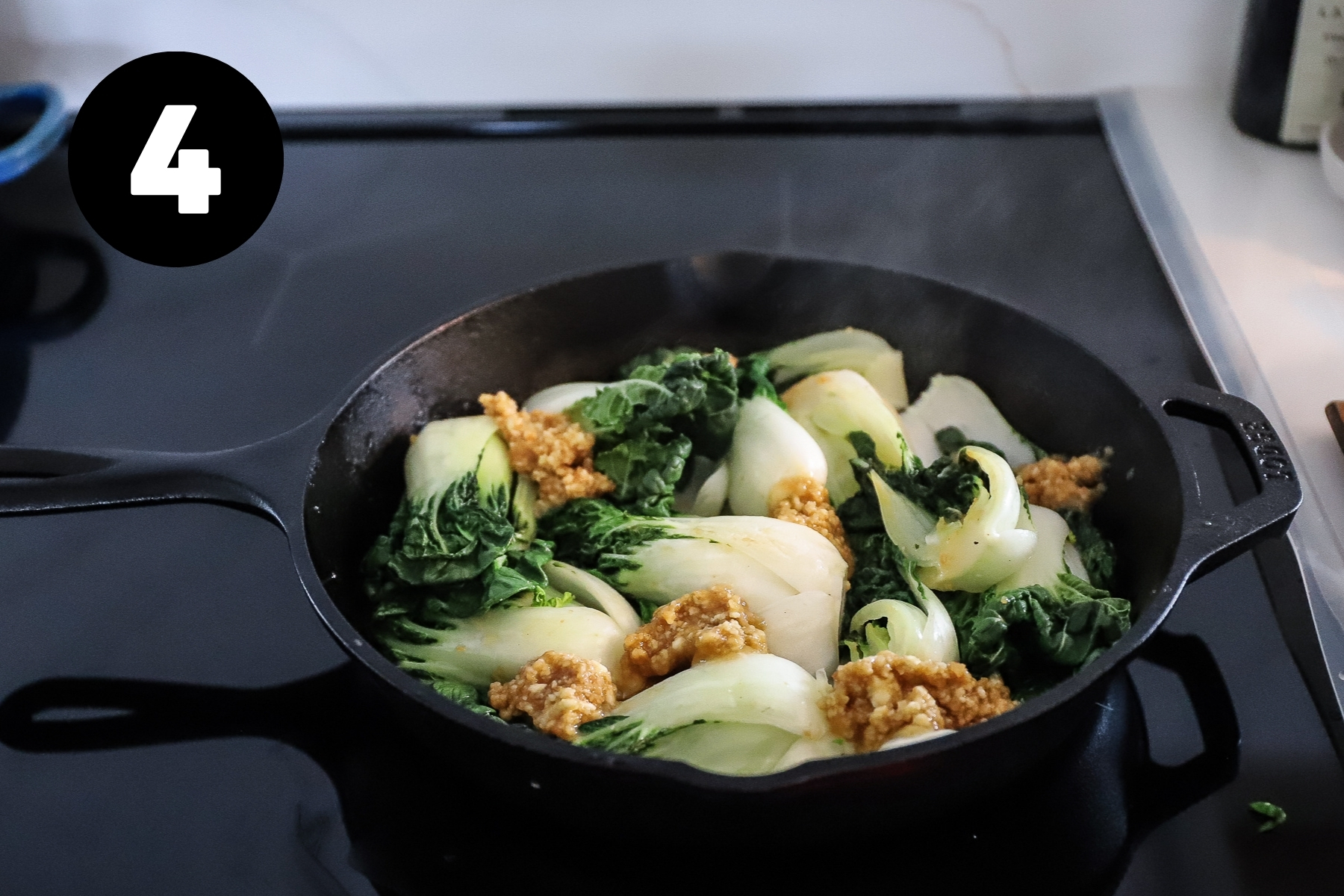
Step 4. Dollop the remaining miso mixture around and continue to cook over medium heat until the miso has melted in and the bottoms of the bok choy are turning golden brown, about 2-4 minutes. Note: Keep an eye on the pan. Because of the sugars in the mirin and miso, the glaze can go from beautifully caramelized to burnt very quickly. Turn the heat down to medium-low and flip the bok choy right away if it's browning too fast. You can add a tablespoonful of water, as needed, if it is scorching before the bok choy is cooked to your liking.
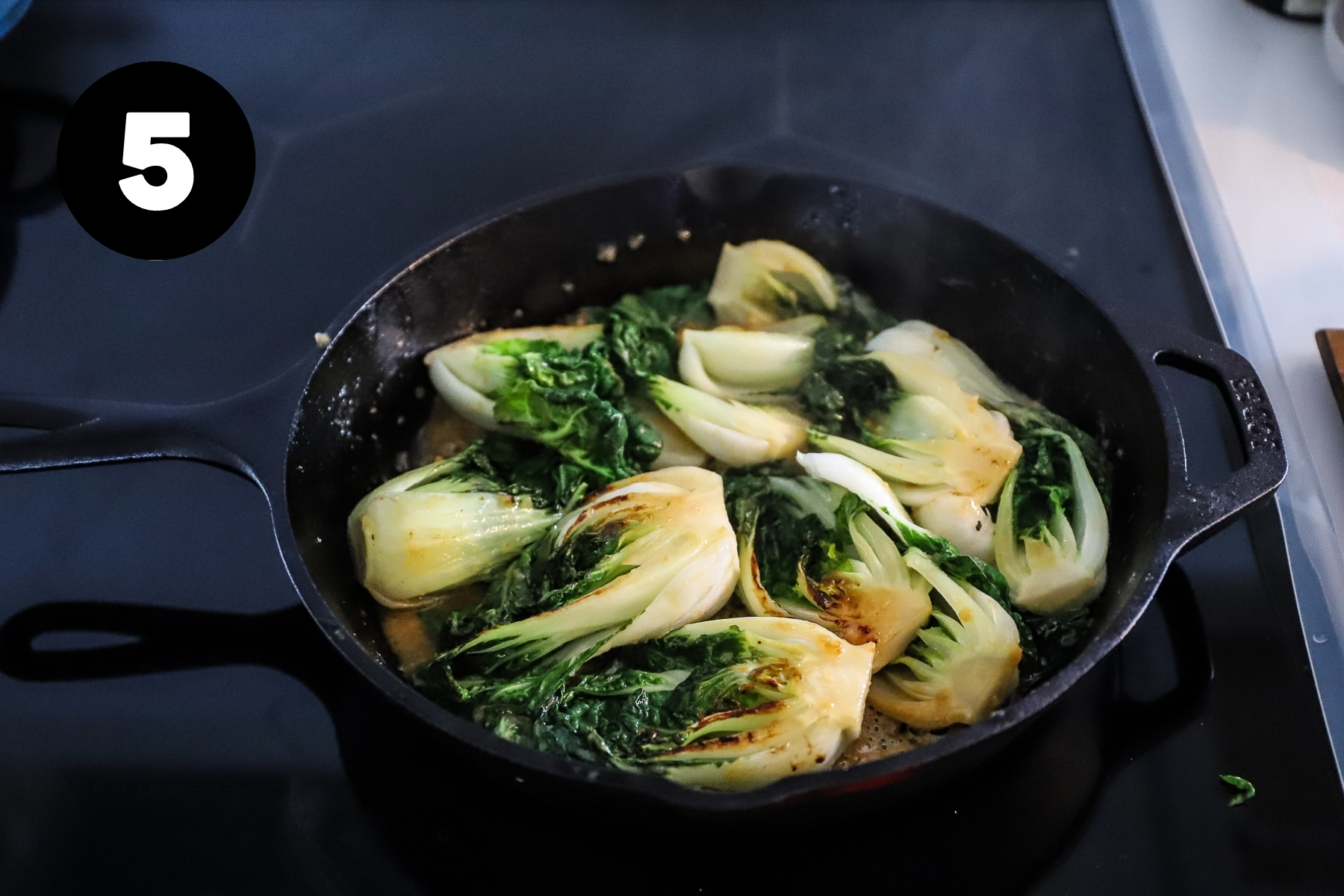
Step 5. Flip them over and continue to cook until the glaze is thick, the greens are silky and dark and the stems are tender-crisp, about 2-4 more minutes. Remove from heat and serve right away. Garnish with sesame seeds or slivered scallions if you like.

Lodge Pre-Seasoned Cast Iron Skillet with Silicone Handle Holder, 12 Inches
The Magic of Miso
Miso is a staple of Japanese cuisine. It is a fermented soybean paste known for its deep, complex taste. Thanks to a long fermentation process, it delivers a rich, savory umami with a subtle sweetness and tang. Salty and complex, its flavor is somewhere between savory cheese and a rich broth. Sounds strange, tastes AMAZING.
If you are new to it, there are three basic types of miso: white miso paste (shiro), yellow miso paste (shinshu) and red miso paste (aka). There are also other variations using brown rice, barley and occasionally other ingredients.
Light or white miso has the mild, sweet and more delicate flavor than the others. Generally, the darker the color, the more intense the flavor.
It is generally easy to find in the refrigerated section of grocery stores or at local Asian markets and is typically sold in small plastic tubs. As a fermented ingredient, it will keep indefinitely in your fridge if kept covered and without cross-contamination (use a clean spoon each time when scooping it out).
Expert Tips
You'll know the baby bok choy is done when the stalks are tender-crisp (easily pierced with a fork but still holding their shape) and the leaves are wilted and glossy but not mushy.
Food + Wine Pairing Suggestions
This miso glazed baby bok choy is the perfect side dish with rice and grilled chicken, salmon or tofu. It also pairs well with ramen, rice noodles, and other grilled proteins like pork chops, steak or tempeh. Or use it to top these delicious cooked salmon poke bowls.
For wine, choose a dry white wine. Ideally an unoaked chardonnay, a dry riesling or a traditional method sparkling wine. Red wine generally does not pair well with the sweet funk of miso, mainly because of the tannins.
FAQ's
Yes, but you will need to adjust the cook time. Slice mature bok choy into smaller pieces or thin ribbons and cook a few minutes longer so the the thicker stems become fully tender.
It depends on the brand. Traditional miso is made with fermented soybeans and often barley or rice koji. Miso that uses barley contains gluten. Check the label or look for a miso specifically labeled gluten-free if that's a concern.
Yes. Simply swap the butter for a plant-based butter or additional olive oil. If not using mirin, swap for maple or agave syrup.
Maple syrup, honey or brown sugar work as reasonable substitutes, though you'll lose a bit of mirin's signature tang. To get closer to the real thing, mix in a few drops of rice vinegar to the syrup, honey or sugar.
Absolutely! White or light miso is milder and sweeter, which is why I chose it for this recipe but deeper darker versions like yellow miso work well too, it will just have a stronger flavor. Red miso is much more intense and salty, so if you use that, start with a little less and adjust to taste. Like cooking with wine, use a miso that you like the flavor of.
The stalks should be tender-crisp (easily pierced with a fork but still holding their shape) and the leaves should be wilted and glossy but not mushy.
Bok choy is best served fresh since it can lose its texture and get watery as it sits. If needed, you can prep the glaze up to 3 days ahead and store it in the fridge.
Reheat gently in a skillet over medium low heat for a few minutes, turning once, just until warmed through. Avoid the microwave if possible as it tends to make the leaves soggy.
No, it is not recommended. Bok choy has a high water content and turns watery and a bit mushy once thawed. Leftovers are best refrigerated and enjoyed within a few days.
This recipe pairs well with rice or rice noodles, and grilled or pan seared salmon, chicken, tofu or steak. It also works as a light side alonside a bowl of miso soup or ramen for a Japanese-inspired meal.
No. This bok choy is savory and umami-rich rather than spicy. If you want it spicy, add ¼-1/2 teaspoon of sriracha, cayenne or chili oil to the glaze.
Yes, but make sure you're using a large enough skillet so the baby bok choy has room to fry and not steam. You may need to cook it in batches if your pan isn't big enough to fit everything in a single layer.
Save This 10 Minute Bok Choy!
Pin this miso glazed baby bok choy recipe to Pinterest or share it with your friends on Facebook 🙂
More Great Side Dishes
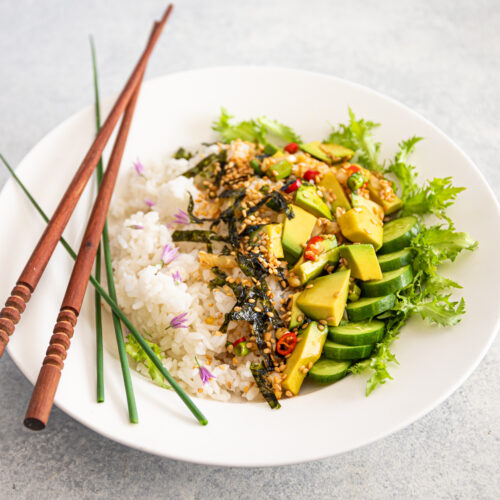
- Korean Avocado (Mayak Avocado)
- Grilled And Marinated Italian Eggplant Antipasto
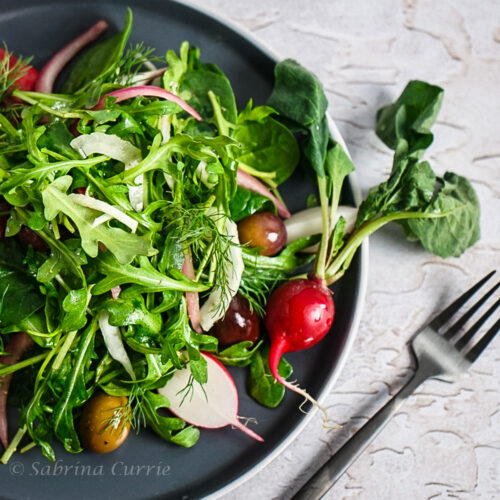
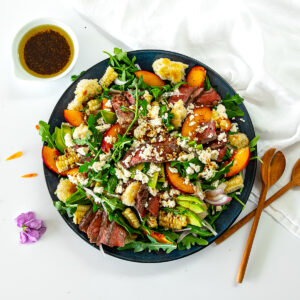
- Easy Arugula Spinach Salad With Quick Pickled Onions
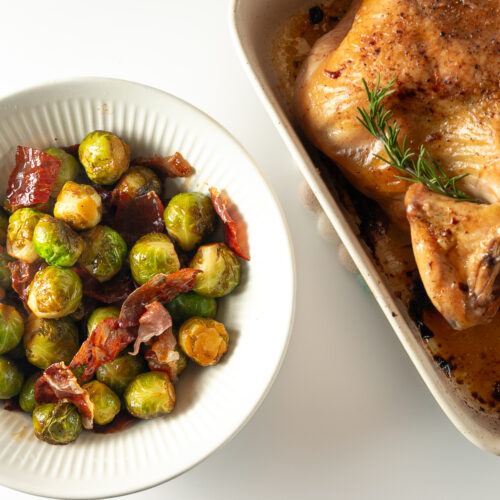
- Pan Roasted Brussels Sprouts With Crispy Prosciutto

📖 Recipe
Miso Glazed Baby Bok Choy (Easy 10-minute Side Dish)
Ingredients
- 3 tablespoon butter (at room temperature) dairy or non-dairy are both fine
- 3 tablespoon shiro miso paste or your favorite miso
- 2 tablespoon mirin
- 1 teaspoon soy sauce
- ½ teaspoon ground black pepper
- 1 tablespoon vegetable oil
- 6 heads baby bok choy, halved or left whole if they are quite small
- salt Optional and likely only a pinch needed to season, if you use unsalted butter.
Instructions
- In a small bowl, mix together the room temperature butter, miso, mirin and soy sauce. Season with black pepper to taste, or add in optional chili flakes if using.
- Heat a large cast iron (or heavy-bottomed non-stick pan) over medium heat. Add the vegetable oil, spread it around and then add ¼ of the miso mixture and stir it around.
- Place all the cleaned and halved baby bok choy into the pan in a single layer.
- Dollop the remaining miso mixture around and continue to cook over medium heat until the miso has melted in and the bottoms of the bok choy are starting to caramelize, about 2-4 minutes.
- Flip them over and continue to cook until the glaze is thick, the greens are silky and dark and the stems are tender-crisp, about 2-4 more minutes. Remove from heat and serve right away. Garnish with sesame seeds or slivered scallions if you like.
Notes
Nutrition



Leave a Reply